
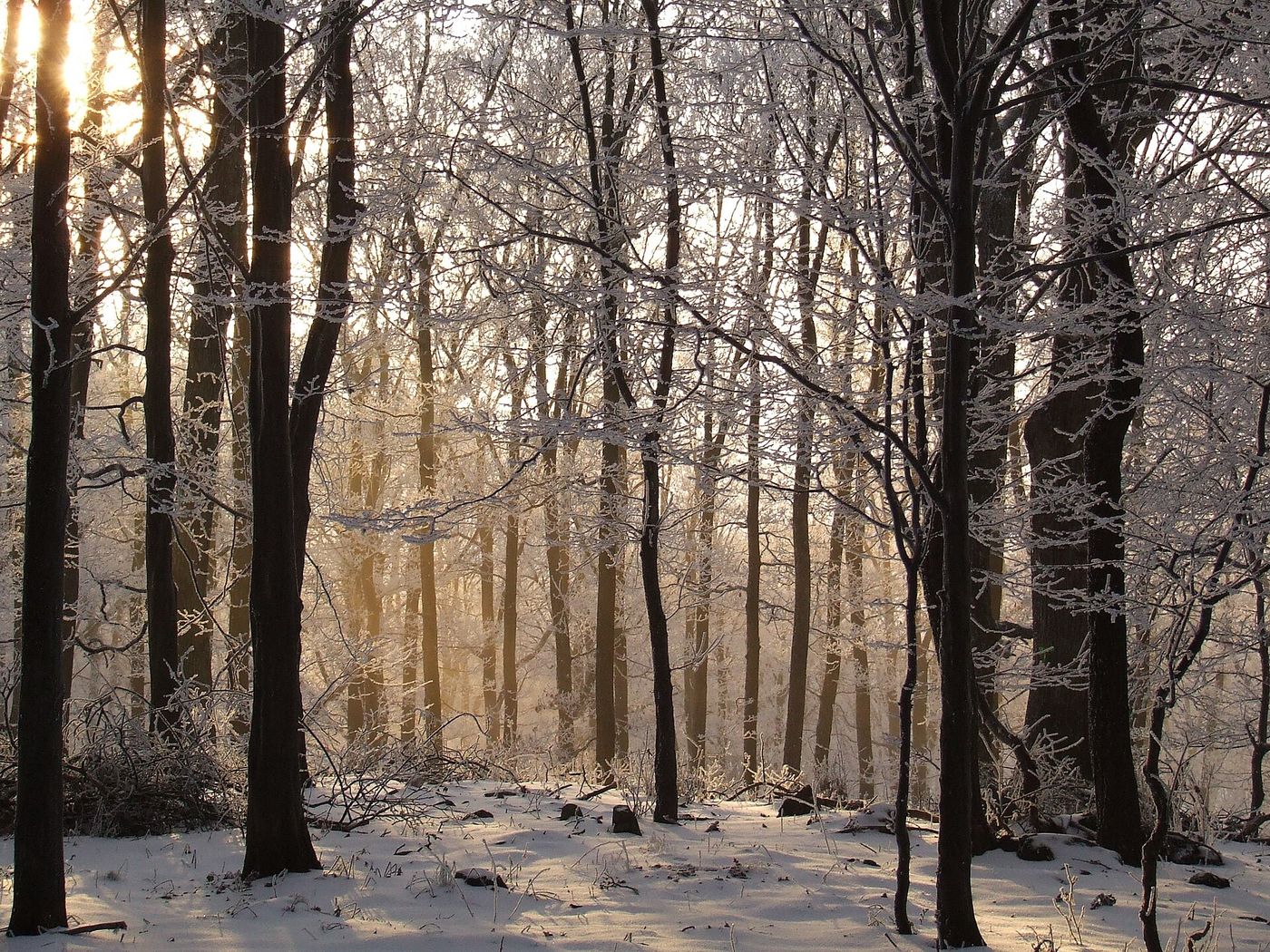
Tree growth, including that of Douglas fir in even-aged stands, follows a characteristic S-shaped curve. Initial development is gradual, followed by a period of accelerated, steady growth, eventually tapering off to a plateau before the organism dies. In a mature, old-growth forest, the rate at which biomass decays is equal to or greater than the rate of new growth. Consequently, while these stands store significant amounts of carbon, they are no longer functioning as a net sink.
Historical Indigenous land management practices involved keeping the understory clear, which allowed the remaining large, older trees to receive sufficient water and nutrients to maintain their health. Since the cessation of these burning practices in 1850, the undergrowth has become dense, compromising the vitality of the entire stand, including both the understory and the canopy. Additionally, suppressed and dying trees in the undergrowth are now considered ladder fuels, which contributes to the high fire mortality rate of 3.2% in these stands. Furthermore, these stagnant conditions cause insect and disease outbreaks to intensify, which is not the type of species diversity we are striving for and adds an additional 2.3% of mortality.
There is a peculiar irony here if we look at this in human terms. We venerate old growth forests, yet the human equivalent is a care facility, assisted living facility or a rest home. Now past 80, I am not happily anticipating that situation. I would prefer to emulate an old growth Ponderosa pine in a well-spaced stand living out my last years well-nourished, in comfort, and unincumbered by crowds of struggling and dying understory trees!
To accomplish this we need to manage old growth stands. We cannot start with fire now because weve allowed fuel loads to become excessive. However, we can use selective harvesting methods to reduce loads to levels where we could once again employ Native American practices. By removing the stagnated trees in the understory and converting them into lumber or engineered products we can further sequester their carbon for hundreds of years, By using wood products in more modest sized buildings in lieu of steel and concrete we reduce the CO2 emissions create in their manufacture. This is truly a win/win situation. Compare this to our current situation of allowing the indiscriminate burning of millions of acres of timber which releases monstrous amount to CO2 and highly toxic particles into the air we breathe; a situation that will only grow with time.
Old-growth forests are also deemed important because they provide habitat for a diverse array of animal and plant species. Plant species diversity changes predictably during ecological succession.
1. Pioneer / Early Stage
Conditions: Harsh, exposed environments (bare rock or disturbed soil) lacking topsoil and nutrients.
Species Type: Opportunistic, fast-growing species (e.g., lichens, mosses, annual grasses).
Diversity: Low. Only a few highly specialized or hardy species can survive the initial conditions.
2. Mid-Successional Stage
Conditions: Improved soil structure, increased nutrient availability, and more shade.
Species Type: A dense mix of fast-growing herbs, shrubs, and pioneer trees.
Diversity: Peak. The highest total species diversity occurs here. Early pioneer species still linger, while
longer-living, competitive species successfully establish themselves in the increasingly
complex habitat.
3. Late / Climax Stage
Biodiversity in forest ecosystems generally traces an inverted U-shaped trajectory, reaching its zenith during mid-successional phases. As forests mature into stable climax communities, overall species counts tend to plateau or experience a modest decline. This reduction occurs because robust, shade-tolerant canopy trees and long-lived understory plants engage in intense competition for sunlight and resources within deep soils. These dominant species ultimately outcompete smaller, less resilient vegetation that characterized earlier growth stages.
Furthermore, mature forests often lack the large animal populations that were prevalent during previous ecological phases. Although these larger fauna were numerically scarce, they represented a substantial portion of the total biomass and served as critical food sources.
Environmental advocates frequently argue that preserving forests in their natural, unmanaged state is essential because these areas supposedly harbor the highest concentration of living matter. A closer examination suggests this premise warrants scrutiny. Historical evidence indicates that Indigenous peoples achieved similar ecological goals through different methods, often with superior results.
This analysis was conducted by a Lynnwood resident who holds a bachelor’s degree in forest management from Oregon State University, awarded in 1968. He worked in the forestry sector for a decade before retiring to study the industry closely.