
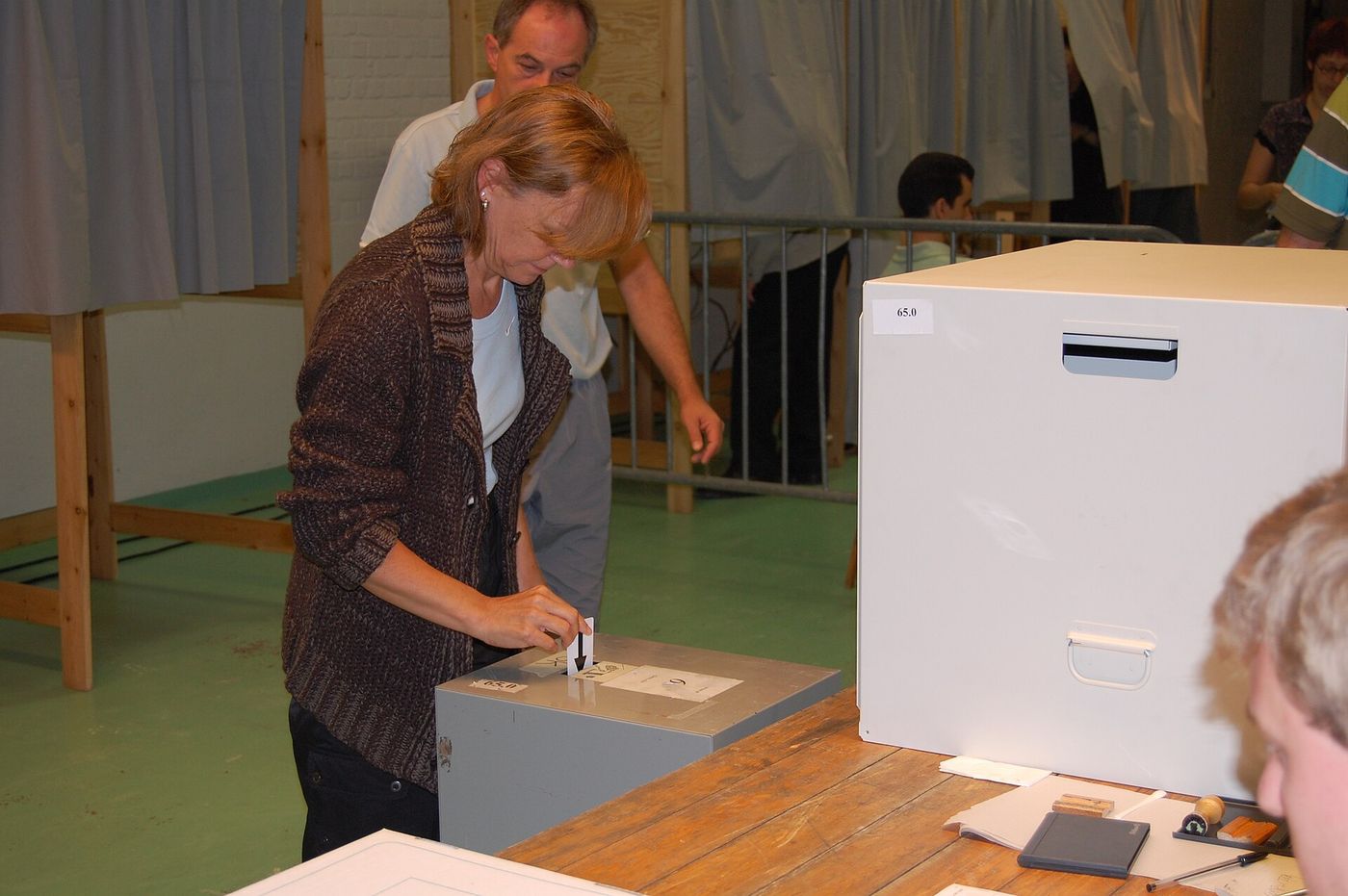
Washington voters are set to encounter substantial discussion about three initiatives, 645, 638, and 001, before the November election.
Critics have framed them as sweeping, transformative measures, warning they could reshape public education, affect young people, and disproportionately favor higher-income households.
Before embracing those characterizations, voters are encouraged to examine the initiatives’ actual text, a practice that has become less common in modern political discourse.
Support for all three proposals stems not from ideological alignment alone but from core principles: curbing government taxation, ensuring equity in girls’ and women’s sports, and strengthening parental role in schooling.
Each initiative reflects measured, practical reforms rather than ideological overhauls.
I-645: Beyond the millionaire tax label
Often summarized as a tax cut for high earners, I-645 actually addresses a broader constitutional question: whether Washington should adopt a lasting individual income tax system.
The measure would eliminate the recently enacted 9.9% tax on individual income exceeding $1 million and prevent future state and local governments from levying taxes on personal income or its receipt.
While high-income households would benefit directly, the initiative’s significance lies in its structural impact.
It preserves key components of the original legislation, such as the Working Families Tax Credit expansion and targeted relief for small businesses and consumers.
The focus is not on wealth redistribution but on defining the scope of Washington’s taxing authority.
I-638: Reaffirming the basis for women’s sports
Among the initiatives, I-638 has drawn some of the most impassioned responses, often centered on gender identity and inclusion.
At its core, the measure acknowledges the biological differences that underpin sex-based athletic分类, differences that affect strength, endurance, and overall competitive outcomes.
It would mandate policies limiting participation in female-designated sports to students whose sex is determined at birth, while stopping short of excluding transgender students from school life overall.
The initiative does not advocate for segregation out of hostility but seeks to preserve fair competition for female athletes, who invest time, effort, and ambition in pursuit of opportunities that often open only through consistent performance.
This approach avoids framing inclusion and fairness as competing goals, instead treating them as complementary objectives.
Ballot Measure I-001 could highlight a unique political schism regarding parental authority in the public education system.
While parents typically entrust their children to public schools for six to seven hours daily, they retain legal and moral responsibility for those students upon their return home. However, requests for meaningful parental access to educational data are increasingly characterized as hazardous. I-001 proposes to restore the parental-rights provisions originally established by Initiative 2081. These provisions grant rights regarding educational materials, specific student records, notifications, and the option to exclude children from certain activities.
Critics argue the measure removes safeguards for students. This perspective overlooks the core issue: when did openness between a public entity and a child’s guardian become a cause for governmental concern?
Valid reasons exist for maintaining safeguards in cases of abuse, neglect, or student safety. Protecting children in such situations is essential. Nevertheless, exceptional cases should not evolve into a broad doctrine treating parents as outsiders to their own children’s schooling.
Educators, counselors, and administrators hold significant roles. Parents, however, hold a fundamentally distinct position. Public employees do not supplant parents in this regard.
Public education functions most effectively when schools and families maintain open communication, rather than when either party views the other as an opponent.
Avoiding Caricatures
The opposition to these initiatives often relies on moral accusations rather than simple disagreement, which is a standard feature of democracy.
Political rhetoric frequently transforms routine policy debates into moral indictments. Opposing an income tax is framed as defending the wealthy; supporting female athletic categories is labeled as anti-transgender sentiment; and demanding parental transparency is portrayed as a threat to child welfare.
Such accusations serve as effective political advertising but poor guides for public policy. Washington voters are capable of understanding nuanced positions.
An individual can support civil rights for transgender people while believing that biological sex matters in competitive sports. One can value public schools and educators while insisting that parents remain central to decisions affecting their children. Similarly, a voter can believe affluent residents should contribute to society while opposing the implementation of a state individual income tax.
Supporting these measures does not require alignment with every Republican politician or conservative group in the nation. This describes the author, a working resident of Washington and union member employed in public education.
The author observes the staff who maintain school operations and believes in public institutions, while also holding that these institutions ultimately serve the public. Washington is not the property of state capital leaders; it belongs to its residents.
Initiatives are one of the mechanisms provided by the state constitution for citizens to exercise direct political power. When hundreds of thousands of voters qualify measures for the ballot through petitions, their concerns should not be dismissed as ignorance, hatred, or manipulation merely because political leaders dislike the outcome.
This November, voters should avoid deciding based on campaign slogans, regardless of which side they favor. Voters should read I-645, I-638, and I-001. They should review statements from supporters and opponents before examining the actual text of the measures to determine who is accurately describing them.
The author has completed this process and intends to vote yes on all three initiatives.