
The Church of Jesus Christ of Latter-day Saints is preparing for a federal court hearing this summer to defend a controversial legal position that has drawn sharp criticism from child safety advocates and abuse survivors: the claim that the institution bore “no legal duty” to act in a case involving the sexual abuse of a child.
A scheduling order issued on May 15 established oral arguments for July 1 at 10:00 AM before U.S. District Court Judge Michael J. McShane in Eugene, Oregon.
The hearing is expected to determine the near-term trajectory of the litigation, specifically addressing the LDS Church’s Motion for Judgment on the Pleadings alongside the plaintiff’s Corrected Motion for Leave to File Amended Complaint.
In contrast to the organization’s public stance on safeguarding families and its own internal anti-abuse policies, the LDS Church’s legal team is advancing a broad defense against allegations that its clergy facilitated the isolation of a teenage girl with her abusive adoptive father.
In a brief filed in April, attorneys for the institution relied heavily on legal technicalities and constitutional protections. They argue that because the abuse took place within the victim’s home rather than during a church-sponsored activity, the LDS Church is legally absolved of responsibility.
Additionally, the defense characterizes a Washington bishop’s alleged instruction to the victim’s mother to remain silent regarding the abuse as constitutionally protected “bad advice.”
The Church further contends that Oregon’s mandatory clergy reporting laws are strictly criminal in nature, meaning they do not establish civil liability for the institution’s alleged failure to report the perpetrator to law enforcement.
The plaintiff’s legal team challenged these assertions in late April, arguing that the Church has misrepresented previous state rulings and that the bishop’s active discouragement of reporting created a new risk of harm, thereby stripping the actions of any First Amendment protection.
Perhaps most legally perilous for the LDS Church’s defense is the plaintiff’s disclosure regarding the direct involvement of the institution’s highest echelons.
While the LDS Church maintains it had no duty to act, Salt Lake City headquarters allegedly placed a restrictive “annotation” on the abuser’s membership record and specifically warned an Oregon bishop about the dangerous living situation.
Plaintiff attorneys argue this demonstrates that the LDS Church voluntarily assumed a duty to protect the girl—a duty they allege was abandoned through delayed discipline, a failure to notify authorities, and leaving the teenager without support.
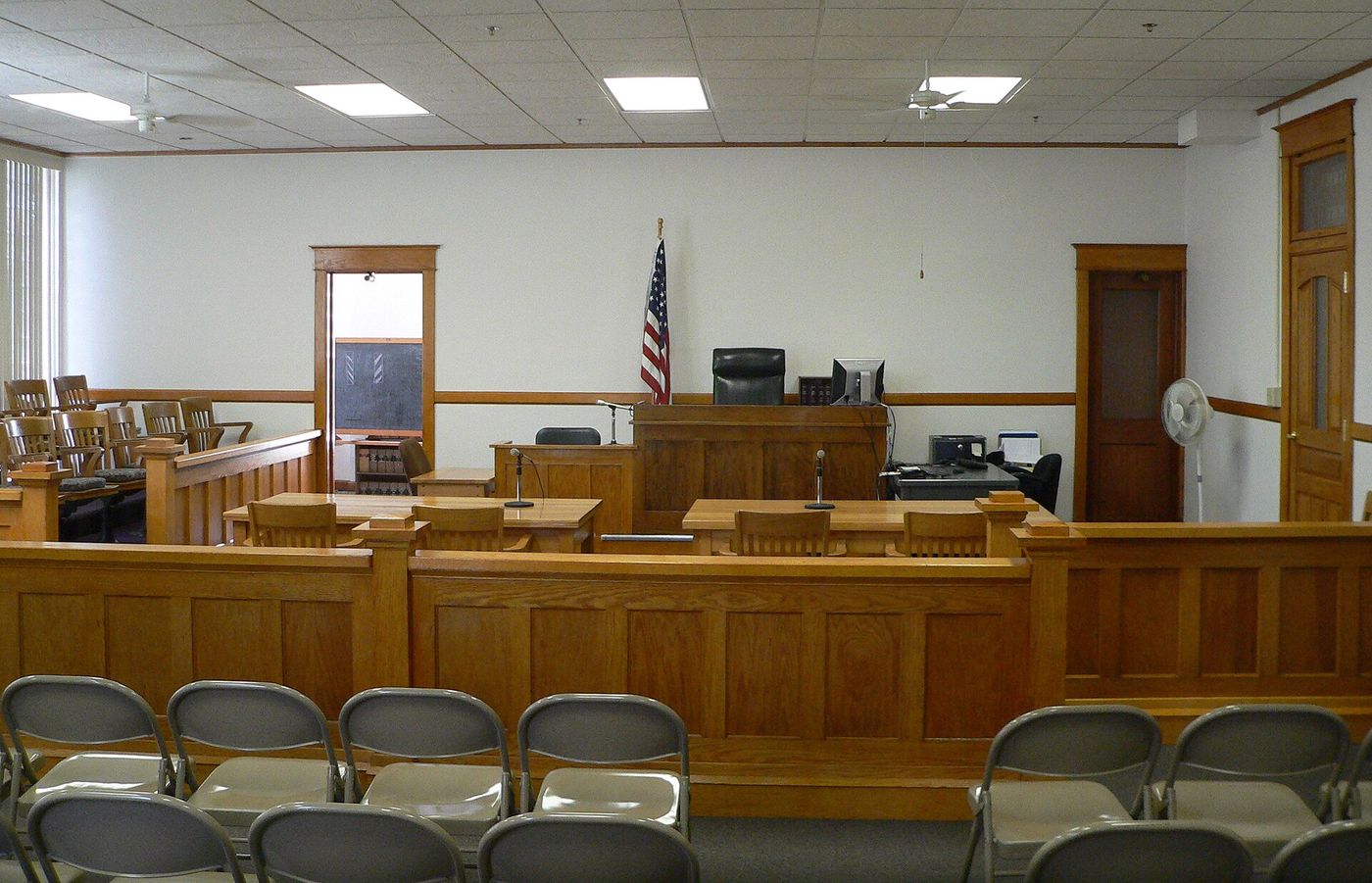
The upcoming July 1 showdown in Eugene Courtroom 2 will require the LDS Church to defend these legal maneuvers in open court.
Judge McShane’s ruling on the pending motions will determine whether the plaintiff can proceed with her amended complaint or if the LDS Church’s “no duty” defense will successfully shield it from accountability.