
CHARter Review Commission
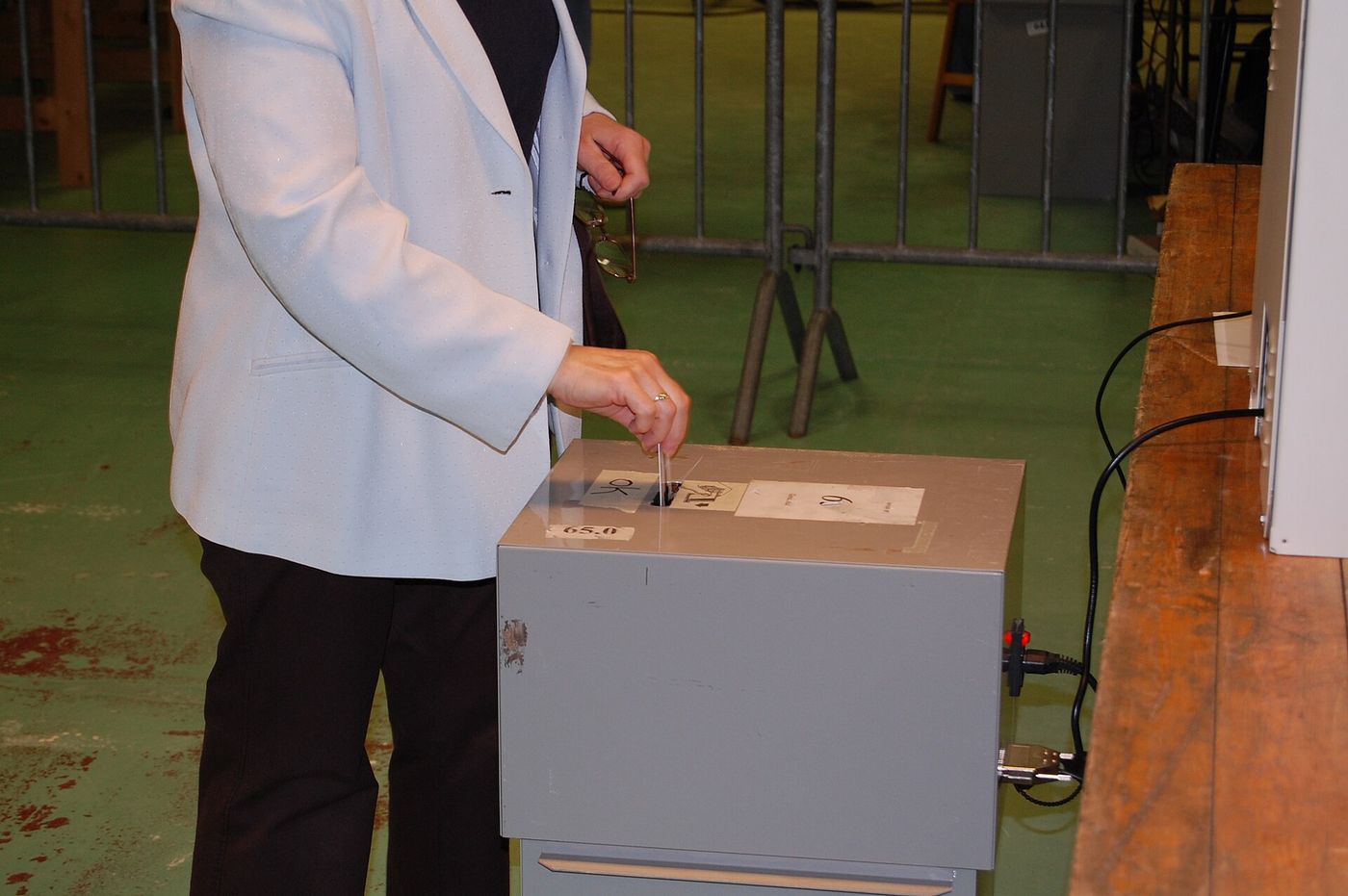
Five proposed amendments to Snohomish County’s foundational governing document will appear on the November 3 ballot. These measures aim to reshape how the county operates, with advocacy groups and longtime civic participants offering differing perspectives on their merits.
The League of Women Voters of Snohomish County is urging a unified “no” vote across all five propositions. According to the organization, the Charter Review Commission, the group appointed to assess the existing charter, did not fully honor its mandate to engage the public in the process. League representatives who attended commission meetings observed that proposal selection occurred before structured public input, and no independent mechanism existed for residents to submit ideas for consideration.
Formal public hearings were added toward the end of the commission’s work. Written records of participant feedback and meeting minutes from the final sessions remain absent from the commission’s online archive. The league emphasized its longstanding commitment to transparent governance, particularly open access to information, inclusive meeting practices, and timely public notice, as foundational reasons for opposing the amendments.
Two proposals in particular drew scrutiny from the league: Propositions 2 and 5. Both introduce heightened voting thresholds for specific actions, granting a small bloc of council members expanded influence. Under current rules, financial measures need approval from three of five councilmembers to move forward. Proposition 2 would increase this to four out of five, and Proposition 5 does the same for tax hikes, effectively allowing any two members to veto proposals. The league views these changes as shifting power away from majority preference and toward a more restrictive decision-making model.
In contrast, Steve Dana, a former Snohomish councilmember and mayor, endorses all five measures. After four decades of involvement in local civic life, he considers this year’s slate among the most thorough and forward-looking charter updates in recent memory.
Proposition 1, he notes, establishes a clear fiscal priority by mandating county funding for essential services before allocating resources to optional programs. Proposition 2 reinforces long-term fiscal resilience by requiring contributions to a budget stabilization fund and locking in a four-fifths supermajority for withdrawals during economic stress. Proposition 3 would eliminate party affiliations from countywide elections, aligning local races with nonpartisan norms. Proposition 4 focuses on transparency, instituting an online platform for public access to county financial data. Proposition 5, his top priority, formalizes the supermajority requirement for tax increases while preserving voter override authority.
Dana ranks the proposals in order of impact: Proposition 5, followed by 4, 1, 3, and 2, advocating for YES votes on each.
EVERETT PHILHARMONIC
Classical music is for all
Barriers to Orchestra Attendance
Have you ever considered attending a symphony performance or wondered how a beloved film or video game score would translate to a concert hall? What has stopped you from trying? Perhaps concerns about appropriate attire, uncertainty regarding audience participation, or a feeling that one must understand the history behind the composition to appreciate it.
These are among the reasons frequently cited for avoiding local symphony events. For a professional musician and conductor, the only requirements for enjoying an orchestra concert are an inquisitive mind and a willingness to let the performance carry you away. The fundamental purpose of all music is to evoke feeling and unite listeners through the shared experience of a live presentation.
Most orchestras, including the Everett Philharmonic, aim to be accessible to all. Guidance on when to applaud is provided before the performance begins. While background information on a piece can certainly deepen the listening experience, it is not a prerequisite.
Classical compositions continue to resonate with the human experience across eras. Ludwig van Beethoven, for example, was a staunch advocate for equality and democracy. Upon composing his Symphony No. 3, he dedicated it to "a great man," understood to be Napoleon Bonaparte. However, after Napoleon declared himself emperor, contradicting prior promises, Beethoven famously used a knife to remove the dedication and renamed the work *Eroica*. Mexican composer Arturo Márquez created his *Danzones* to celebrate the heritage of all Mexican people, rather than an exclusive class. For those seeking joy, comfort, or meaningful experiences in an increasingly digital age, attending an orchestra concert is recommended. Everett also offers numerous other avenues for experiencing high-quality art.