
TRAFTON
The Stillaguamish Tribe's largest restoration undertaking to date concluded last week after project managers and tribe members gathered for a final meeting. The Trafton Floodplain Restoration Project involved restoring over 230 acres along a two-mile stretch of the North Fork Stillaguamish River.
Construction activities included the removal of several agricultural levees and the creation of a side channel through terrain that had been artificially leveled during the 1960s. The site is located northwest of Trafton, east of Arlington along Highway 530.
The project officially concluded with a final construction meeting held on October 8.
A Stillaguamish Tribe fisheries biologist described the moment as bittersweet during a tour of the river following the meeting. The biologist expressed excitement regarding the project's completion but noted the team would no longer be working together.
The $15 million restoration effort marked the first joint venture between the Stillaguamish Tribe and Snohomish County, according to the tribe's environmental program manager. The manager explained that the project is designed to disperse flood energy across a much broader area, thereby enhancing habitat productivity for fish along those two miles.
In 2005, the tribe, the county, and other stakeholders established a salmon recovery plan aimed at restoring Chinook populations to sustainable levels. Since that time, the tribe has worked to acquire the land identified in the plan and gather necessary funding.
The environmental program manager noted that the plan spans 50 years, acknowledging that the process was not expected to be quick. However, the tribe has consistently purchased land over the past two decades with the goal of ecosystem recovery for Chinook and other treaty resources.
The tribe identified the Trafton floodplain decades ago but did not purchase the land until the end of 2019. Snohomish County owns the westernmost plot of land involved in the project.
At the eastern end of the site, crews removed a 90-degree turn caused by one of the levees. This obstruction previously pushed water around land that had served as a nursery, dairy farm, beef ranch, and golf course. The removal allows the river's natural bend to mimic its flow prior to the levee's construction.
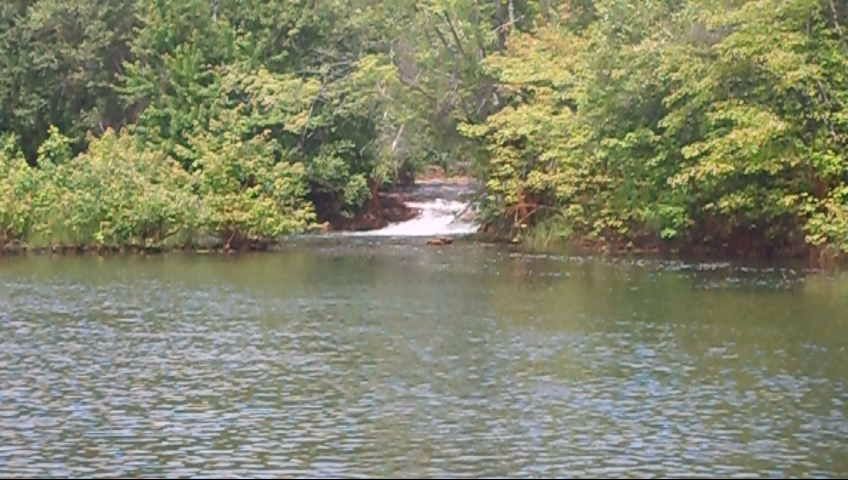
The new side channel dissipates river energy and reduces the main channel's flow, providing a habitat for salmon that prefer calmer water. The slower water flow in the side channel is expected to be suitable for spawning pink salmon, which return every other year.
The tribe's deputy fisheries manager stated that increased habitat on the Trafton floodplain will facilitate fishing opportunities for both tribal and non-tribal individuals in other areas.
The Stillaguamish River serves as a habitat for all five species of Pacific salmon. According to Boyd, some local stocks are listed under the Endangered Species Act. He stated that their unhealthy condition restricts other fisheries throughout their migration routes. Boyd explained that wherever these fish travel, they influence the harvest levels permitted elsewhere.
Because of the project, various salmon species are now able to spawn in the Trafton Floodplain.
Boyd emphasized that expanding habitat for fish and wildlife is crucial to the Stillaguamish Tribe. He noted that the tribe places great value on restoring and renaturalizing the landscape. Boyd remarked that Washington likely already possesses an adequate number of golf courses.
Scofield reported that crews planted approximately 14,000 plants last winter as part of the restoration, with additional planting planned. She stated that the volume of plants scheduled for installation at the site is substantial.
Griffith explained that workers also constructed large timber piles along the riverbanks to slow floodwaters and provide cover for salmon.
During the tour, Griffith observed signs of a beaver in the new side channel, including bank tracks and chewed willow. Additionally, Coho salmon were jumping from the river. Griffith recalled a conversation with University of Washington Professor Thomas Quinn regarding this behavior. Griffith noted that the reason salmon jump is not widely understood, prompting him to ask Quinn for an explanation. Griffith quoted Quinn, who said, "I think theyre happy to be home."
Taylor Scott Richmond: 425-339-3046; taylor.richmond@a regional outlet.com; Bluesky: @btayokay.bsky.social