
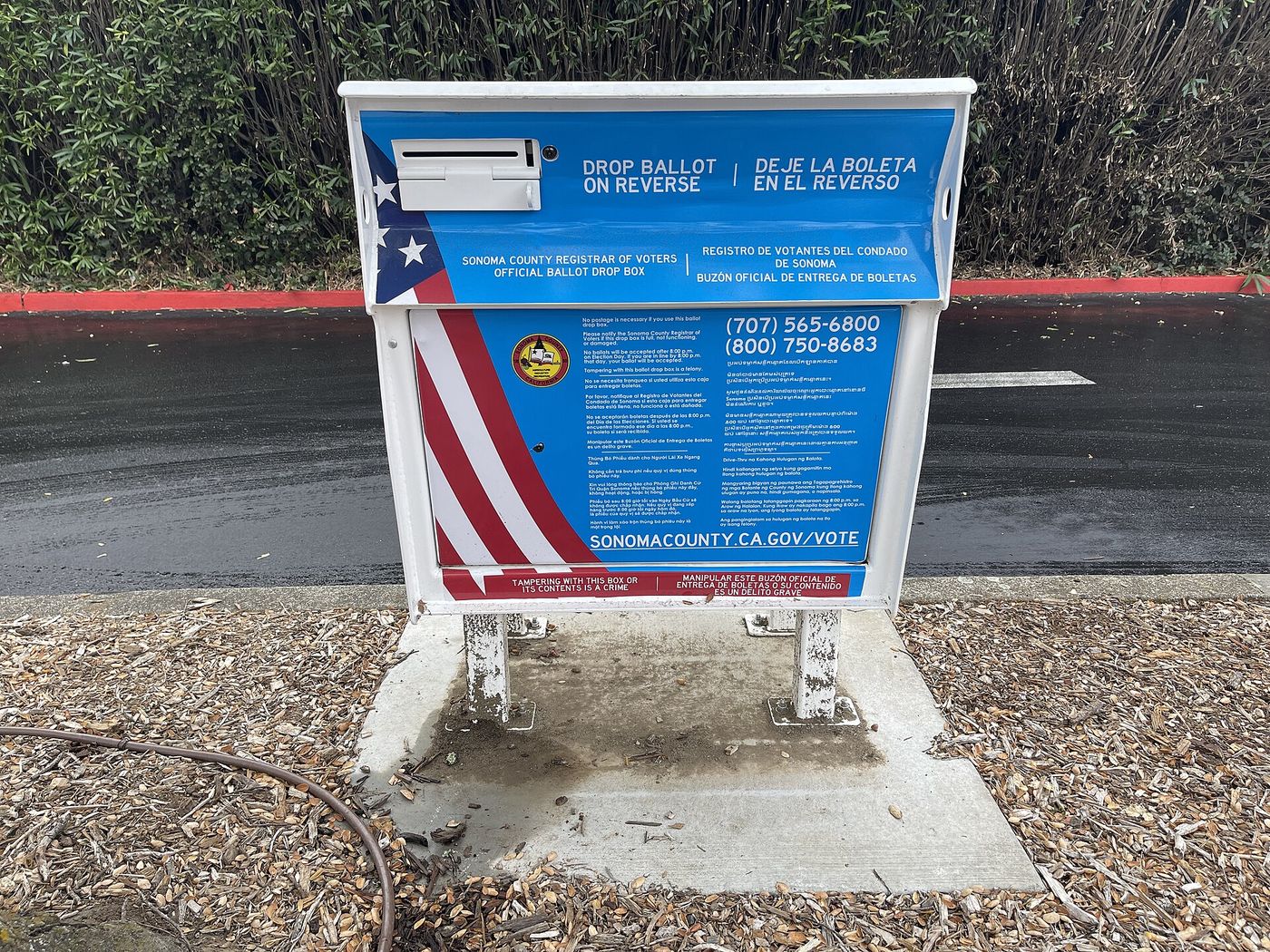
For nearly two decades, my involvement with the Planned Parenthood Alliance Advocates has centered on advancing opportunities for Washington’s young people and supporting family well-being across communities. This November, voters face three ballot propositions. Initiative 001, Initiative 638, and Initiative 645, that, if enacted, would reshape education, health care access, family support systems, and tax policy in the state.
All three proposals originate from billionaire Brian Heywood and his advocacy organization, Lets Go Washington. The same coalition previously led efforts to reduce public education spending, destabilize the long-term care program, and weaken climate resilience investments, signaling a renewed push to shift state priorities in a more conservative direction.
A broad coalition of organizations has voiced concerns about the measures, with the Seattle Times editorial board issuing strong opposition to all three. Its analysis labeled the initiatives as inconsistent in approach, technically deficient, and reliant on emotional appeals over evidence.
Initiative 645 calls for reversing the state’s Millionaires Tax, a move projected to reduce state revenue by $13 billion over the next decade. The initiative would also end universal free school meals for many elementary and middle school students and increase out-of-pocket costs for families seeking health services. Proponents argue the changes will offer relief to high-earning households, though critics note that the fiscal benefits disproportionately favor the top income brackets. A wide array of groups, including the Children’s Alliance, Food Lifeline, the Washington State Labor Council, and numerous small business associations, have voiced opposition, warning that the net effect will be reduced support for schools, child care, and working families.
Initiative 001 frames itself as a parental empowerment measure, but its design introduces several unintended consequences. State Attorney General Nick Brown has pointed out that the proposal would eliminate mandatory timely notification to parents when their child experiences a criminal incident on school property. The initiative also requires schools to disclose confidential student records, including mental health and medical documentation, to parents, even in cases where the parent has been named as an alleged abuser. Critics say this could discourage students from seeking care and weaken the independence of school counselors and social workers. The measure also includes provisions that would compel educators to disclose a student’s gender identity or sexual orientation to families, which, according to advocates, may expose LGBTQ+ youth to risk in less accepting households.
Supporters of the initiative include several faith-based and conservative groups, while opposition spans organizations like the Washington State Coalition Against Domestic Violence and Sexual Assault, the Washington State Nurses Association, the League of Women Voters of Washington, and the Washington State PTA.
Initiative 638 represents the most expansive proposal of its kind nationwide, according to policy analysts. Its centerpiece is a requirement that all K–12 girls seeking participation in school sports undergo sex verification, which may include physical exams assessing reproductive anatomy or, in some cases, hormone and genetic testing. The initiative applies specifically to female-identified students, with no similar mandate for boys. The measure’s text specifies that certification must be completed prior to competition and renewed annually, raising questions about administrative burden, cost, and potential delays in athletic participation.
Washington State Director for Planned Parenthood Alliance Advocates, Courtney Normand, has argued that Initiative 638 increases the risk of harm to young girls rather than protecting them. Normand, a mother of two in Snohomish County, stated that standard sports physical examinations do not and should not require visual inspections of female genitalia. She described the measure as a political strategy often employed by Republican politicians who claim to be safeguarding women while focusing attention on vulnerable student groups, including transgender, non-binary, gender non-conforming, and queer youth.
Normand criticized the initiative as a form of fearmongering that fails to address the primary concerns facing Washington families. She noted that the proposal has been strongly opposed by the Washington State Nurses Association, over 100 physicians and healthcare providers, and more than 400 community organizations and elected officials. According to her analysis, voting against these measures is the most effective way to protect children and support programs that benefit working families.