
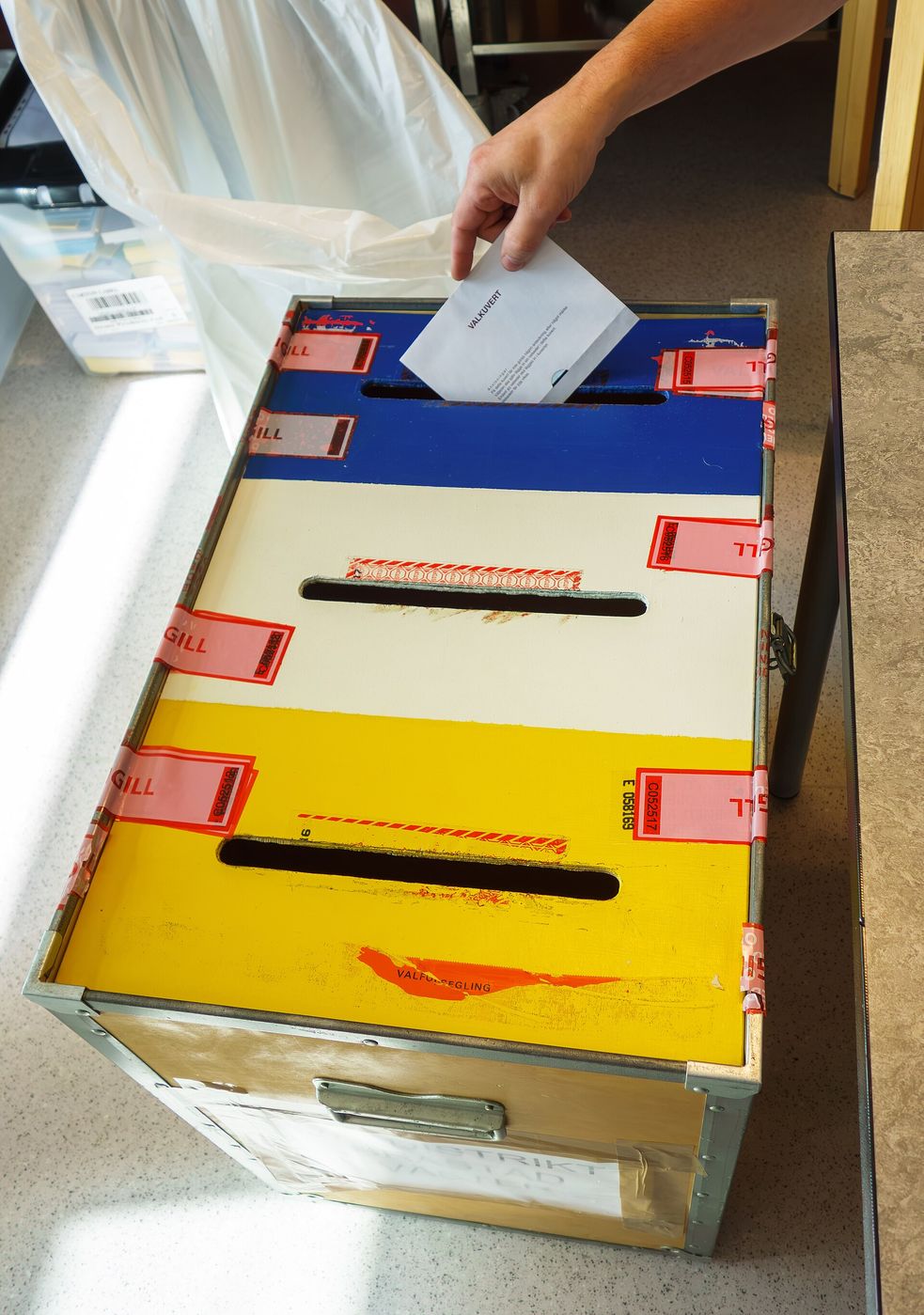
Once each decade, residents are asked to weigh in on fundamental changes to county governance rules. Five proposed amendments are on the ballot this November.
This arrives amid widespread fatigue surrounding politics and partisan division. Residents frequently express frustration with government, and some question whether their participation at the polls carries weight.
That sentiment is understandable. It also underscores why civility and public trust in institutions remain critical. Agreement on policy is not a prerequisite for a shared civic identity grounded in fairness and transparency.
Understanding the five proposed Snohomish County Charter amendments is therefore essential.
The Charter functions as the constitution for county government, defining its structure and decision-making processes. Snohomish County reviews this document only once every ten years through an elected Charter Commission.
The Charter Review Commission conducted meetings, solicited public comment, and held hearings before submitting these five proposals to voters. It is important to note that the League of Women Voters of Snohomish County, whose members observed the proceedings, determined that the solicitation and processing of the proposals did not afford the public sufficient opportunity to participate in shaping the changes.
Given that this occurs only once a decade and can alter the basic rules governing the county, concerns regarding the transparency and fairness of the process itself warrant attention.
Two of the proposals illustrate this point clearly.
Proposition 3 would designate every elected office in Snohomish County as nonpartisan. Candidates would appear on the ballot without party affiliation, and political parties would have no role in county appointments.
The term nonpartisan may sound appealing amid current tensions. Many desire a reduction in partisan conflict. However, stripping a party label does not diminish a candidate's political nature or alter their values. It merely restricts the information immediately available to voters.
Currently, voters can view a candidate's declared party preference on the ballot and determine the relevance of that data. Without this label, voters seeking such information must research endorsements, affiliations, campaign contributions, and other public records to form an opinion.
A proposal requiring candidates for County Executive and County Council to disclose political affiliations and endorsements in the voters pamphlet was put forward to enhance transparency for voters. That proposal did not receive the four council votes necessary to advance it as a charter amendment to voters, as both Republicans opposed the measure.
This raises a critical distinction: bipartisanship and nonpartisanship are not the same thing.
Bipartisanship is the method local elected officials employ to conduct daily business. It involves a choice to collaborate with individuals with whom one may strongly disagree.
This occurs regularly on the County Council. The body comprises five individuals with differing perspectives and party affiliations, yet many matters before it receive unanimous support. Official council records document hundreds of 5-0 votes this year and in prior years, including the council's unanimous selection of its 2026 bipartisan leadership.
Differences do not need to be concealed to work effectively, and the records demonstrate this.
Proposition 5 raises a different question about how disagreement should work. It would require four of the five County Council members to approve any new councilmanic tax or an increase covered by the amendment. Under that structure, three councilmembers could support such an action and two could prevent it from passing (three votes now is 60% of the council).
There are legitimate arguments for requiring broader agreement on major financial decisions. And this presents a fundamental question voters should consider: when should a governing majority be able to act and when should a minority have the power to stop it?
County charter amendments dont grab our attention over the immediate pressures of work, housing costs, schools, public safety, and caring for our families.
But the Charter determines the rules under which county leaders will make decisions about all of those issues for years to come.
Shared civic identity means being clear about our differences, leading with our values, and being transparent with voters with the information they need to decide for themselves. It also means treating others with respect and following decorum.
At a time when trust in politics is already fragile, these principles are worth protecting.
This November, I hope Snohomish County voters will take a few extra minutes to look at these five Charter amendments and understand what each one would actually change.
For something we only revisit once every 10 years, it deserves close attention. Join me in voting No on all five County Charter amendments.
I dont speak for the League of Women Voters but you can read more about their concerns with the process and reasoning for voting No on all amendments here: Vote NO on proposed amendments to the Snohomish County Charter League of Women Voters of Snohomish County
Megan Dunn lives in Everett and is a Snohomish County councilmember representing District 2.