
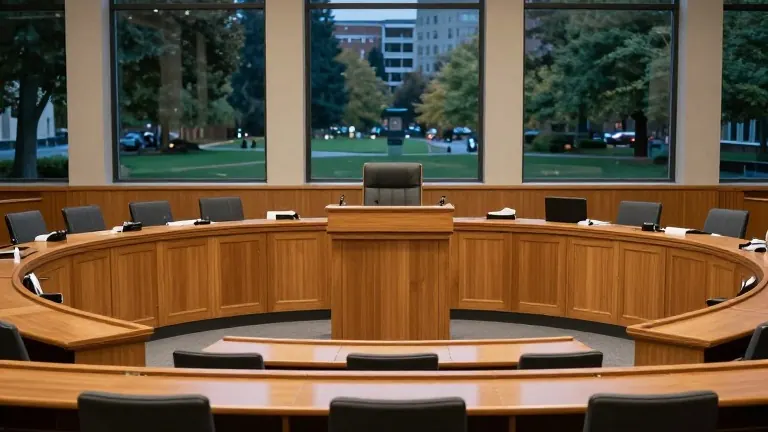
Bellevue City Council members concluded their final deliberations on the proposed 2027-2028 Operating Budget and the 2027-2032 Capital Improvement Plan on Tuesday. The session marked the end of a two-month review process that included multiple study sessions and public hearings. These prior discussions covered critical areas such as transportation, public safety, utilities, economic development, human services, sustainability, development services, and general government operations.
Budget Components and Legislative Next Steps
City staff provided an overview of decisions already made by the council, which include securing new revenue streams to support transportation projects and acquiring land for a new Fire Station 6. The budget also incorporates one-time funding allocations for human services and sustainability initiatives. Additionally, staff discussed the strategic use of council contingency funds to support community markets and activation events. Other financial measures under review include a study on Accessory Dwelling Unit (ADU) and Dual ADU permitting, as well as increased funding for the Utilities’ Neighbors Helping Neighbors program.
The council is scheduled to take formal action on the budget next week. On November 17, officials are expected to consider a comprehensive package of ordinances and resolutions required to implement the financial plan. This legislative package includes updates to employee pay plans, recommendations for human services funding, and spending guidelines for Community Development Block Grants. The package also addresses development service fees, utility rates, and the expansion of utility assistance programs. Furthermore, the council will vote on utility connection charge updates, a new 0.1 percent transportation sales tax, and the 2027 property tax levy. State law mandates that the city adopt a balanced biennial budget before the start of the 2027 fiscal period on January 1.
Neighborhood Plans and Innovation Updates
In addition to budgetary matters, the council reviewed updates to the Eastgate and Factoria Neighborhood Area Plans. The Planning Commission previously recommended that the council adopt these updates following a comprehensive review earlier in the year. During the 2025-26 Great Neighborhoods planning process, staff engaged extensively with residents in both areas through surveys, meetings with community leaders, business walks, and in-person workshops. These efforts were designed to ensure equitable engagement in defining neighborhood values and policies. Following the Tuesday presentation, the council directed staff to prepare legislation to formally adopt the updates in December.
The council also received an update from the city’s information technology team regarding its Innovation Programs. These initiatives focus on fostering digital equity, inclusive innovation, and economic opportunity. Staff highlighted progress made since program goals were established in 2025, noting growth in regional partnerships and successful innovation-focused events. A key development is the launch of the Civic AI Innovation Lab, which will collaborate with students, government entities, and industry partners to develop artificial intelligence applications for public services. The second Civic Innovation Challenge has also been launched as part of these efforts.
On personnel matters, Councilmember David Hamilton, who serves as the liaison to the Transportation Commission, recommended two appointments to the board. Alan Cabling was recommended for a partial term ending May 31, 2027, while Sireen Malik was recommended for a partial term expiring May 31, 2028. The council unanimously approved both appointments. The meeting also included the reading of proclamations recognizing World Day of Remembrance for Road Traffic Victims, Veterans Day, and Dutch American Heritage Day.