
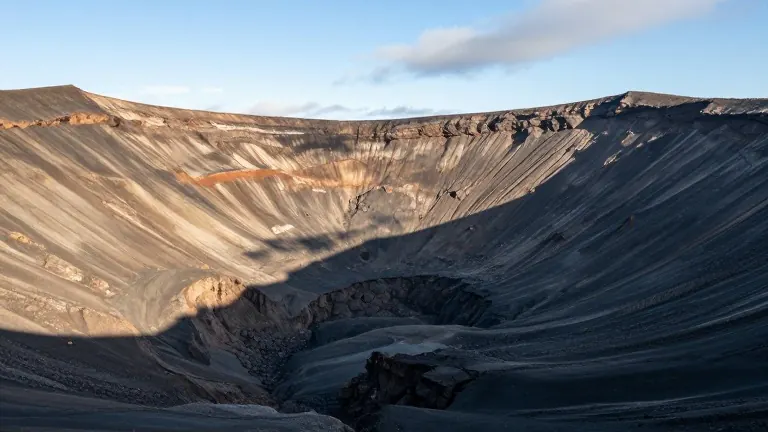
The eruption of Mount St. Helens on May 18, 1980, remains one of the defining natural disasters in modern American history. Within minutes, a magnitude-five-plus earthquake triggered the collapse of the volcano's north flank, producing the largest landslide in recorded history and releasing a devastating lateral blast that flattened approximately 230 square miles of forest. The eruption claimed 57 lives, sent ash more than 80,000 feet into the atmosphere, and transformed the surrounding landscape into an almost unrecognisable wasteland. The official history of the disaster has been extensively documented by geologists, emergency responders, and historians alike.
Understanding the conspiracy requires looking well beyond the events of 1980.
Mount St. Helens had already become deeply embedded within Pacific Northwest folklore long before the volcano erupted. Indigenous traditions throughout the region described powerful forest beings known by names such as Skookum and Boqs, creatures that occupied an uncertain space between spiritual entities and physical inhabitants of the wilderness. Within the Chinook Jargon language, the word Skookum referred broadly to something strong, powerful, or formidable, and later generations increasingly associated these traditions with what would eventually become known as Bigfoot. Whether these accounts are interpreted as mythology, oral history, or cultural symbolism, they established Mount St. Helens as a landscape already associated with mysterious beings centuries before modern cryptozoology emerged.
The mountain's reputation expanded considerably in 1924 with what became known as the Battle of Ape Canyon. According to newspaper accounts and later recollections, five prospectors working near Mount St. Helens reported that their cabin came under siege by large, ape-like creatures that allegedly hurled rocks throughout the night. One prospector, Fred Beck, later claimed that he shot one of the creatures, watching it fall into a canyon where no body was recovered. Decades later, Beck revisited the incident in his 1967 book I Fought the Apemen of Mt. St. Helens, cementing the story as one of the foundational narratives of Pacific Northwest Bigfoot lore. Whether the encounter reflected misidentification, embellishment, or something genuinely unexplained, Ape Canyon ensured that Mount St. Helens would occupy a central place within Sasquatch folklore for generations.
Modern efforts have shown that the Ape Canyon incident could be much more than just lore.
In 2021, the television show Expedition X, a spinoff of Expedition Unknown with Josh Gates, aired an episode titled “Canyon of the Apes.” In that episode, Phil Torres and Jessica Chobot discover archaeological remnants of what could have been the prospectors’ campsite. This is powerful evidence that gives credibility to the Ape Canyon story.