
State natural resource managers have issued updated guidance for visitors to the Woodard Bay Natural Resources Conservation Area in Thurston County. The alerts address recent security concerns at the site, seasonal trail closures to protect nesting wildlife, and specific protocols for observing marine mammals and bats.
Recreation and Security Updates
Visitors using the parking lot at Woodard Bay should be aware of multiple reported vehicle break-ins. Officials recommend keeping valuable belongings with you at all times rather than leaving them inside vehicles. While the Overlook Trail is currently open, it is scheduled for closure during the spring and summer months to minimize human impact on local wildlife.
The closure of the Overlook Trail is driven by the presence of significant bird colonies. More than 1,500 Double-Crested Cormorants and approximately 100 Great Blue Herons nest in the trees directly above the trail. Walking beneath these trees disturbs the birds during a sensitive period in their life cycle. Additionally, the abundance of fecal material falling from the nesting trees poses a safety risk to people and can contribute to respiratory diseases in both birds and humans. There is also a risk of inadvertently carrying this material to other bird colonies.
The Canoe Launch remains closed from September 1 until April 15 to protect wildlife. Unless otherwise noted, all other trails within the conservation area remain open to the public.
Wildlife Protection and History
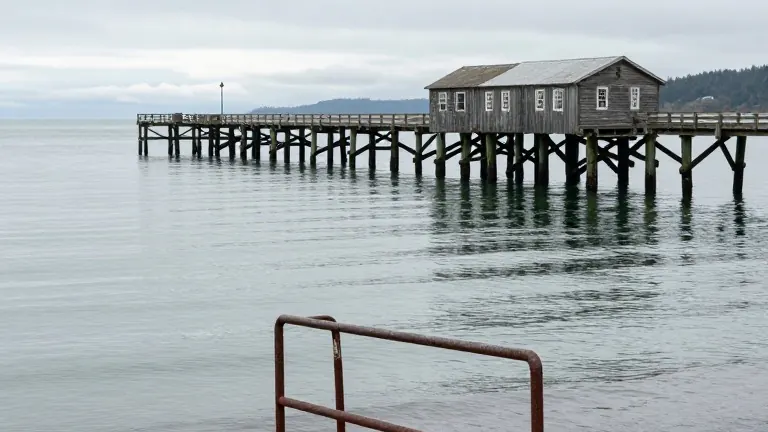
Woodard Bay serves as a critical habitat for Harbor Seal pups. Visitors are urged to keep a 50-foot distance from the pier and avoid entering the area. The pier functions as an important nursery roost for little brown and Yuma myotis bats. During the months of May through August, female bats give birth and raise a single pup. Human disturbance during this vulnerable time can cause bats to abandon their young or roosts, potentially leading to death. These bats play a vital role in the ecosystem by consuming their body weight in insects every night.
If a seal pup is observed stranded for more than 48 hours or appears injured, the public is asked to contact the Marine Mammal Stranding Network. Seals are protected from harassment under federal law, and the NOAA Enforcement Hotline can be contacted if people or pets are disturbing the animals. The creosote-laden remnants of industrial structures from the site’s past have provided habitat for these species, though they also contribute to water quality degradation.
From the 1920s until the 1980s, Woodard Bay was operated by Weyerhaeuser Co. as a log transfer facility. The site was legislatively designated as a Natural Resources Conservation Area in the 1980s. In 2013, restoration efforts were completed in partnership with several organizations to improve the aquatic environment while prioritizing the protection of bats, seals, Olympia oysters, shorebirds, and waterfowl. The site protects five miles of undeveloped Puget Sound shoreline, mature upland forests, and freshwater wetlands within the Puget Trough ecoregion.
Woodard Bay is a popular destination for environmental education, featuring interpretive signs and three hiking trails. It hosts frequent visits from kindergarten through 12th grade students and higher education classes. Researchers may contact DNR to propose projects at the site, and DNR hosts volunteer work days throughout the year for stewardship opportunities.